Introduction
"Good luck". One of the most challenging projects I worked on during my internship with the Space Oasis Delft Dreamteam. I was hired to make their 3D video for the Jacques Rougerie International Art Competition. By applying UX research methods I was able to make a visually engaging video, highlighting important findings from individual research and presenting it during the Mars Habitat Reveal

Prometheus. Mars Habitat Twinmotion Render
Challenge

The challenge for this project was to translate the complex technical and psychological aspects of a Mars habitat into a clear and engaging visual representation that allows a broad audience to understand and experience the concept
Moreover, since I had to create a video according to the guidelines, it meant I only had one minute to work with.
Thus, the team needed someone to determine which information and design aspects should be prioritised and included in the video
As for my personal challenge. I needed to learn Blender in a few months to create scenes that would enable the audience to clearly understand the technical features of the habitat and convince the concept is feasable as part of the Lab Project

Viewport of the habitat made using Blender
Collective Decision
As part of my research, I applied multiple methods such as interviews, questionnaires, Affinity Diagramming and Decision matrix. But what truly stood out in this project were the alignment workshops. I felt that it was necessary to align each research department to make a collective decision rather than individual voting. I presented my UX research and presented the 'star voting' (dot voting), this scenario allowed the team to give an x amount of stars to the findings they approved most important. The impotance of this approach is that. If researchers were to individualyl make this decision, neither parties would have the opportunity to actively discuss as to why their findings have importance, thinking about team chemistry.
Aside, I had given the team individual questionnaires which already allowed them to write everything they thought was important about their research findings
Applying research techniques is not just about which fits the project the best, it's about approaching each project uniquely, planning research techniques logically

Prometheus. Mars Habitat Twinmotion Render
Animating The Impossible
From supernova radiation to inflating shields. Working side-to-side with my colleagues I was presented ideas, sketches and animations to be able to represent the ideas as accurately as possible. An important criteria was the feasability resulting in the decision to try and make a mars environemtn as accurate as possibly referencing official NASA sourses such as the infamous Curiosity Mars rover Mast Camera picutures and others
The video is divided in 3 different type of shots. The blueprint scenes shoud give the audience a sense of 'lab' and possibility whereas the realistic dark blue background scenes are demonstrations of how the ideas really work. Desinging in my opinion is not just thinking about how you present the idea, but also think about which setting best presents the idea


Left: Storyboard. Right: Scene from video
Result
The result is a 1-minute that engaging video that allows the audience to easily understand the complex details, highlighting research and technical feasability.
Because research stakeholders were fully involved in this production the video is a literal representation of how it would really look like, rather than fiction or focusing on art direction
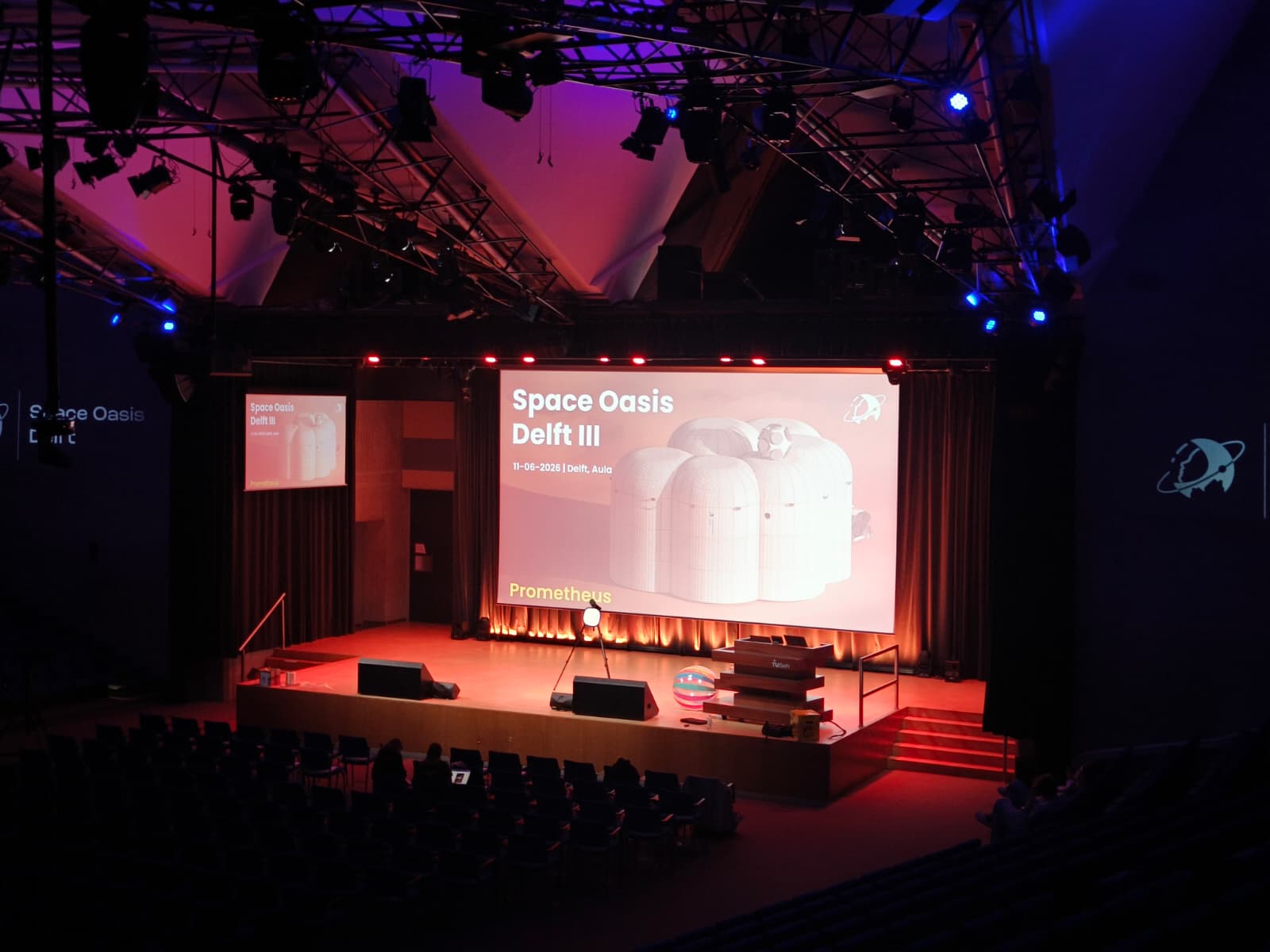
June 11 - 2026. Final Event

Poster Final Event
See Next Project
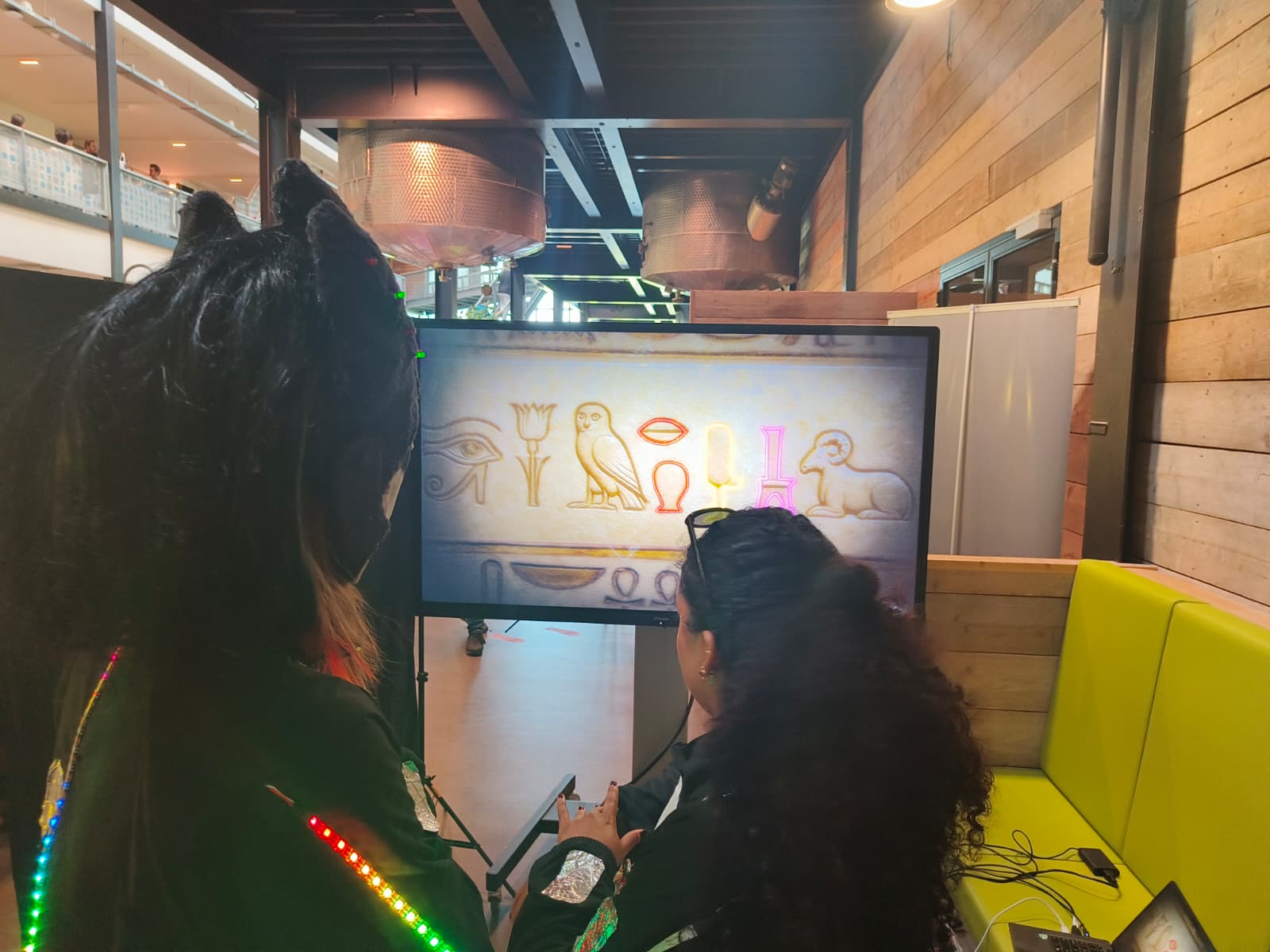
HCI Jackets
HCI Extended Body, Interactive